Food & Nutrition Security Consortium

Nixtamalisation is a traditional but powerful agro-processing technique that involves treating maize with slaked lime.

  1. Home
  2. Research, Agronomy & Innovation
  3. Food & Nutrition Security Consortium

This process significantly enhances the nutritional value, digestibility, and safety of maize while also improving its flavour and aroma. It reduces harmful mycotoxins, increases the availability of key nutrients like calcium and vitamin B3, and supports the development of new food products with longer shelf life and better texture.

More than just a processing method, nixtamalisation is a practical solution to food insecurity and undernutrition. It transforms maize into a more valuable food and economic resource, especially for rural and low-income communities. By adding value to a widely available staple crop, the technique creates opportunities for smallholder farmers and women entrepreneurs to generate income and improve household nutrition.

The Nixtamalization Project started in 2018 with a focus on training smallholder farmers on this technique. This has led to the creation of innovative maize-based products and a variety of new recipes that highlight the versatility and nutritional benefits of maize. The adoption of nixtamalization has grown. In Phase 2, training expanded to other provinces while partnerships were formed to improve recipe development, product variety, and storage solutions. This collaboration between DSI, TIA, UFS, and Grain SA has trained over five thousand seven hundred and sixty (5 760) farmers. In the most recent season, four hundred and sixty-one (461) farmers were trained, including three hundred and seventy-six (376) women and eighty-five (85) men.

Our Aim

This project aims to support low-income communities by introducing agro-processing technologies through research in recipe and product development and training.

Our focus areas

  • Establish baseline information on processing methods current knowledge and skill levels within communities.
  • Refine existing nixtamalization recipes and broaden the range of products.
  • Determine nutritional content cost effectiveness taste and shelf life of community-developed products.
  • Investigate methods to extend product shelf life.
  • Identify other processing methods to improve nutrient content and utilization of local crops.
  • Develop a practical business model for start-up businesses.
  • Train beneficiaries in processing methods and business skills.
  • Test and implement the developed business model.
  • Integrate research into consumer science curricula and train students to apply research at community level.

Consortium Overview

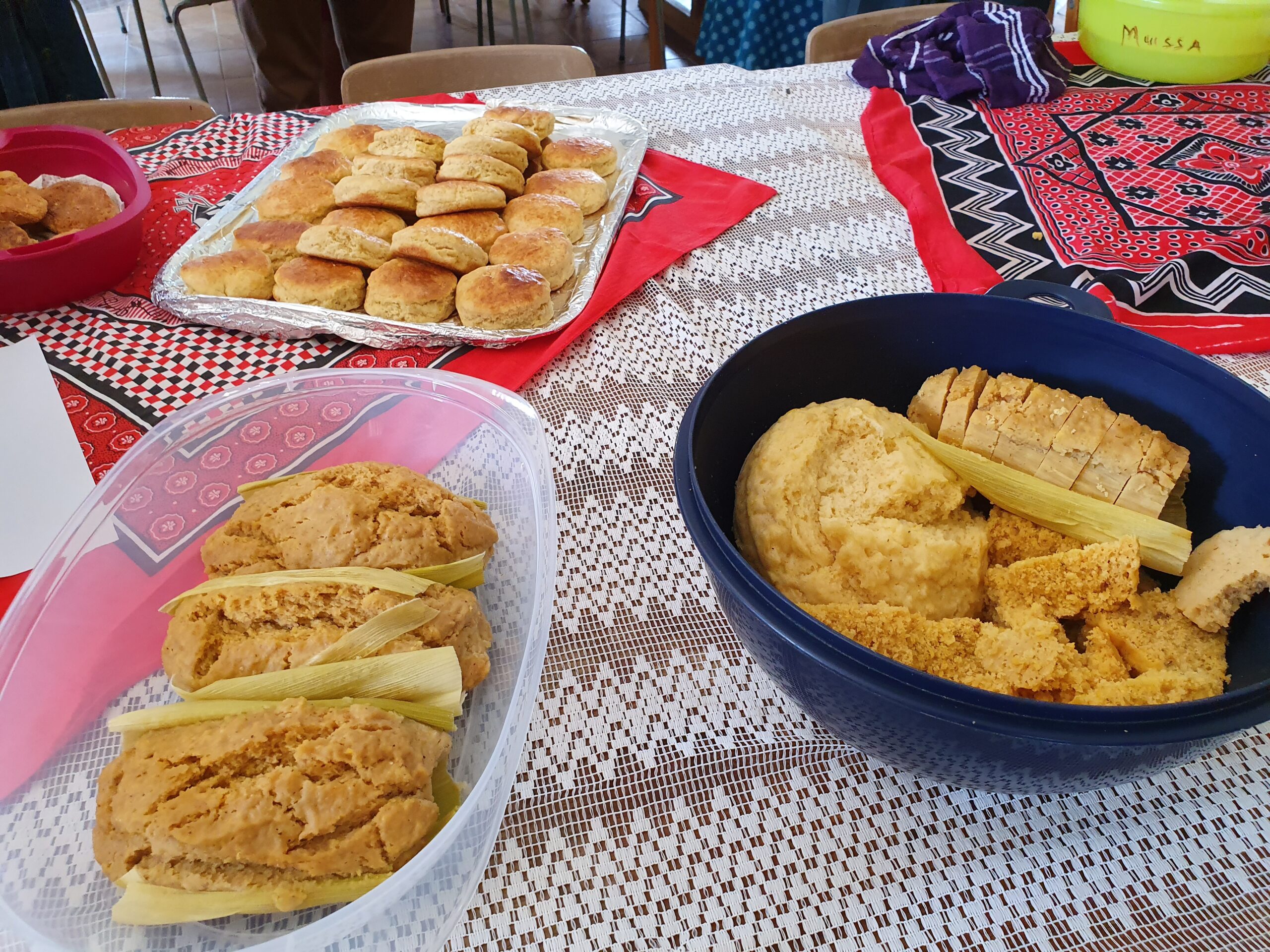
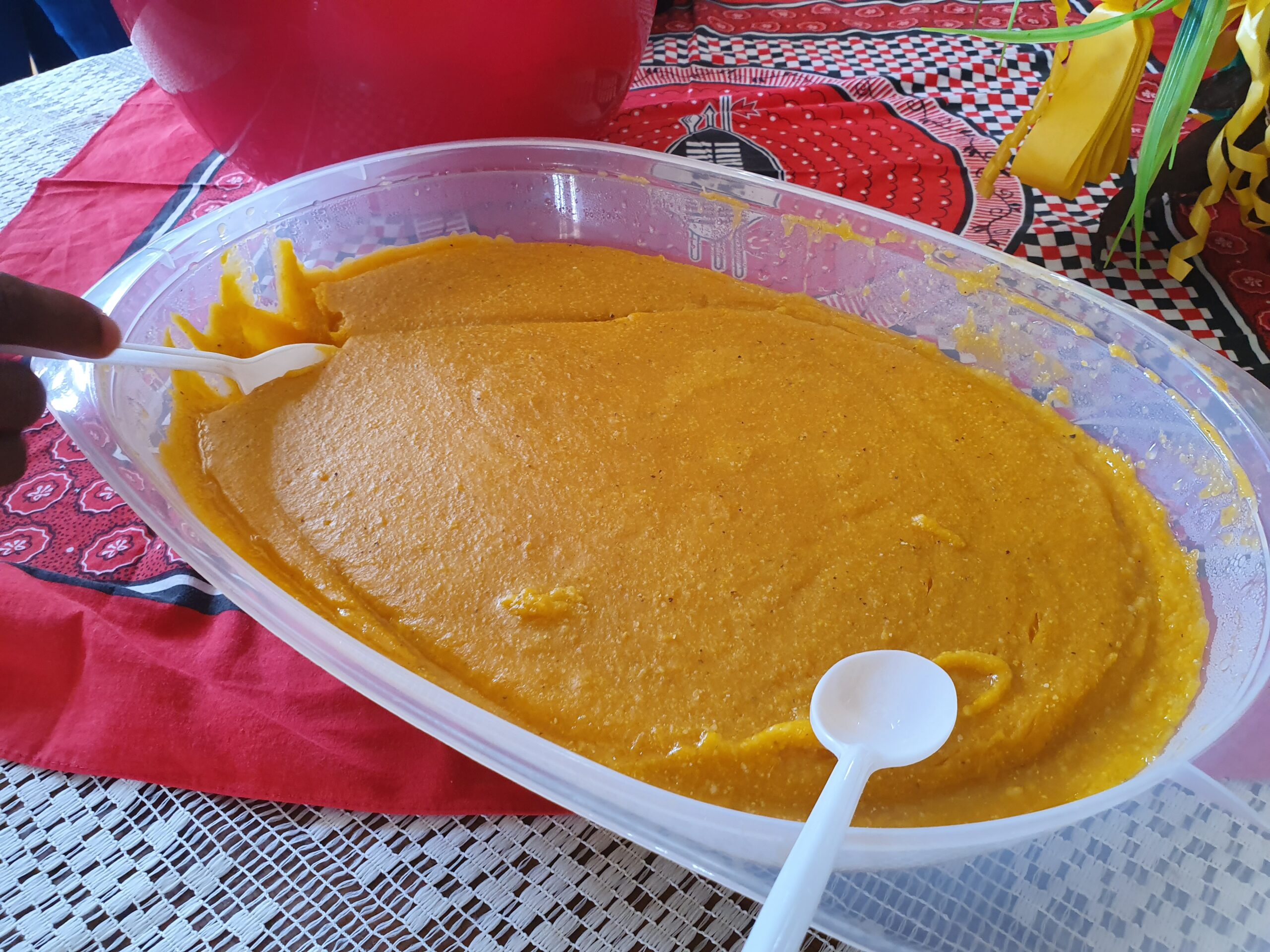
Since 2021, the project has developed thirteen exciting nixtamalized maize products. These include steamed bread, pot bread, fat cakes, whole dried corn kernels, dehydrated crumbly pap, curly fries, chicken replacement nuggets, beef replacement patties, mageu, chips, energy bars, and maize rusks. Each product was tested with one hundred (100) participants to understand their preferences and acceptance.

In 2022, two new products were added to the range: multi-seed gluten-free corn crackers and corn dogs. Corn dogs, especially the spicy masala flavour, quickly became popular and continue to be improved for even better taste.

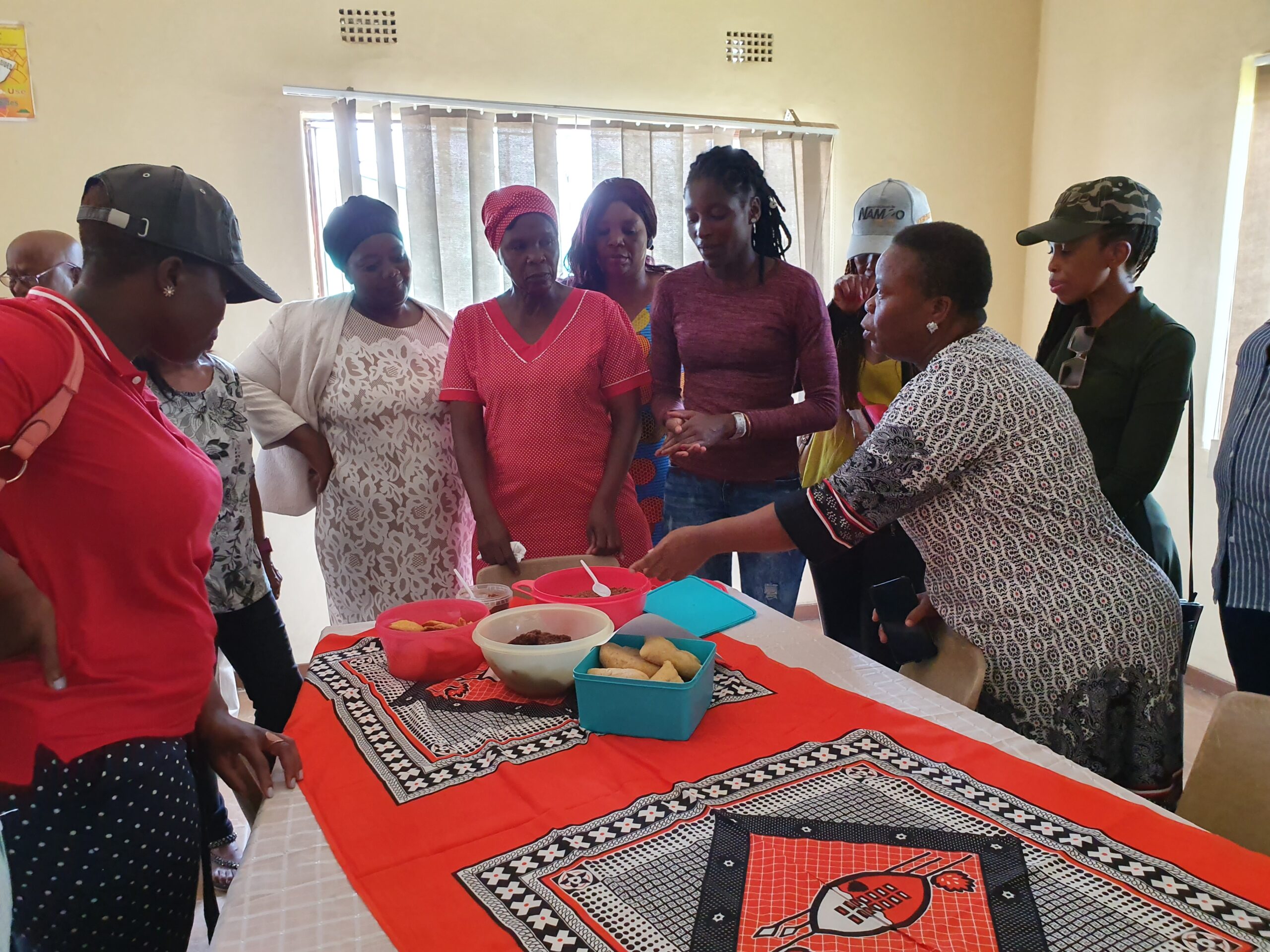
From April 2023 to March 2024, the project delivered twenty-one (21) training courses and six (6) demonstration days across Mpumalanga, Limpopo, and North West provinces. These sessions reached four hundred and sixty-one (461) participants. Overall, since 2021, a total of three hundred and eighty-three (383) courses have trained five thousand seven hundred and sixty (5 760) people in nixtamalization and related skills such as basic nutrition and dry bean production.

This project clearly shows how smallholder farmers can boost food and nutrition security. By adopting nixtamalization, they are creating innovative maize products that are warmly welcomed in their communities. The results so far hint at even greater potential to transform rural livelihoods through this simple yet powerful technique.

Projects

CURRENT PROJECT

Promote agro-processing in low-income communities

Primary Institution: Grain SA Farmer Development Programme and University of the Free State
Principal Investigators: Liana Strobel (Grain SA) & Dr Alba du Toit (UFS)
Collaborators: Prof. Johan van Niekerk (UFS) and Prof. JW Swanepoel (UFS)  
HISTORIC PROJECT

Smallholder Seed Business Development Historical Projects

Primary Institution: Agricultural Research Council

Principal Investigators: Ms Annelie de Beer

Collaborators: Syngenta

Stakeholders

Scroll to Top