OBJECTIVE 1
Build a knowledge-based on the effect of climate change on agriculture.
Understanding how changing weather patterns affect crop performance is critical for building a strong knowledge base on the impacts of climate change on agriculture.
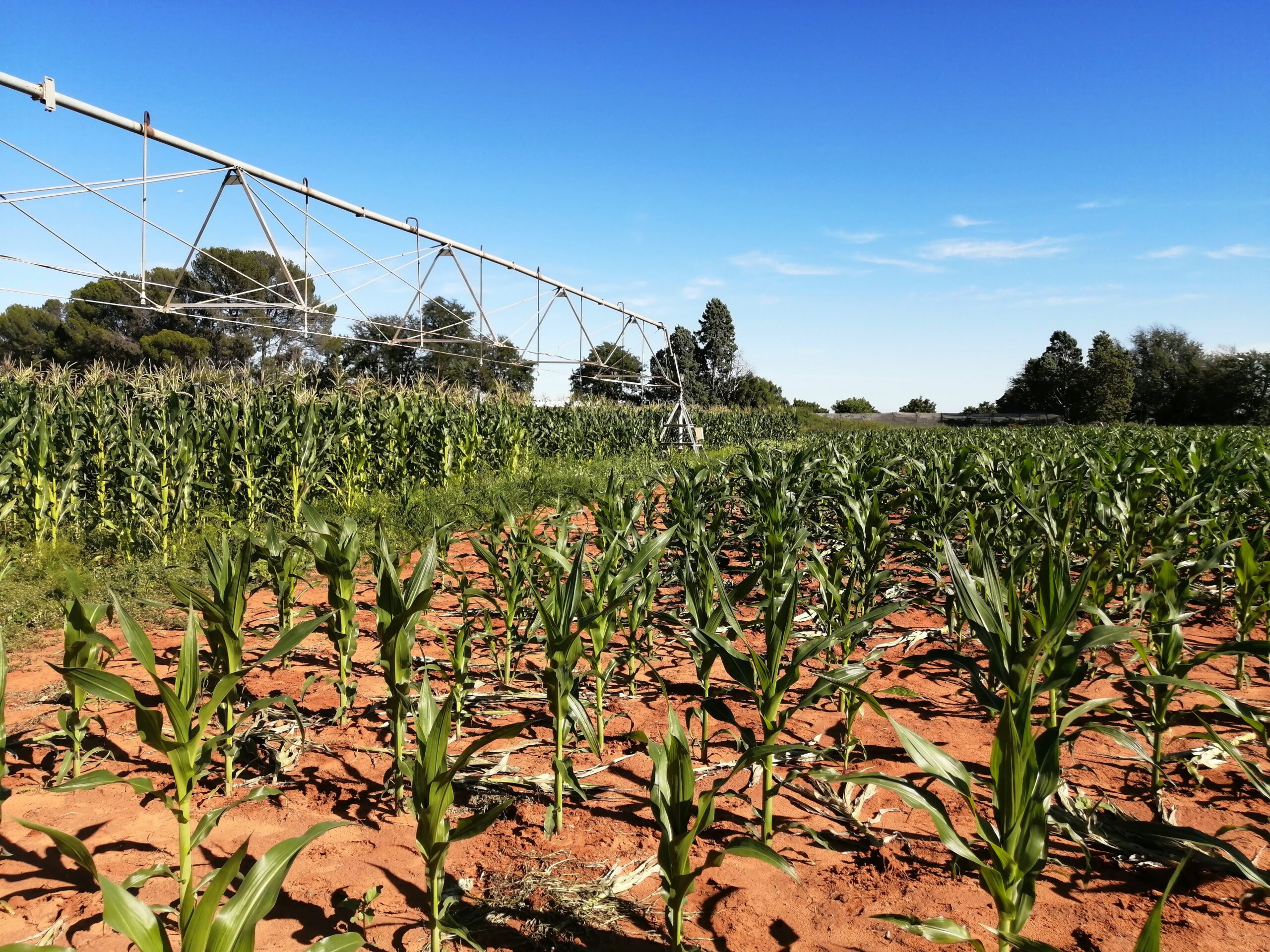
In South Africa’s key maize-growing regions, delayed summer rainfall has pushed planting dates later into the season. To investigate the effects of this shift, experts from the University of the Free State, University of Pretoria, and the Agricultural Research Council launched a multi-institutional project to assess maize growth, development, health, and yield under real-world conditions.
Through monthly and weekly planting trials between December and January across multiple sites, the project team identified mid-December as the critical planting cutoff for maintaining good yields. Plantings after this date, especially in January and February, showed steep declines in grain quality and yield, particularly in dry years. While cultivar selection played a role, the timing of planting proved far more influential on overall crop performance. In 2024, late planting resulted in near-total crop failure at some dryland sites despite limited irrigation, whereas December plantings consistently yielded up to 5.8 tons per hectare under favourable conditions.
Late-planted maize often produced more tillers but suffered poor pollination due to shortened silk development and increased stress during flowering, such as heat and water scarcity. This led to reduced grain set, ear size, and quality, compromising reproductive capacity and increasing vulnerability. Although drought-tolerant cultivars showed some resilience under late planting, they could not fully offset the risks. This research highlights the vital importance of planting timing aligned with cultivar performance and expected weather patterns to support sustainable maize production.
Overall, these findings contribute valuable insights to South Africa’s agricultural climate knowledge base. They emphasise planting time as a critical management decision and provide producers with practical, data-driven guidance to adapt to climate-related challenges. This applied research plays a key role in building long-term resilience within grain production systems.